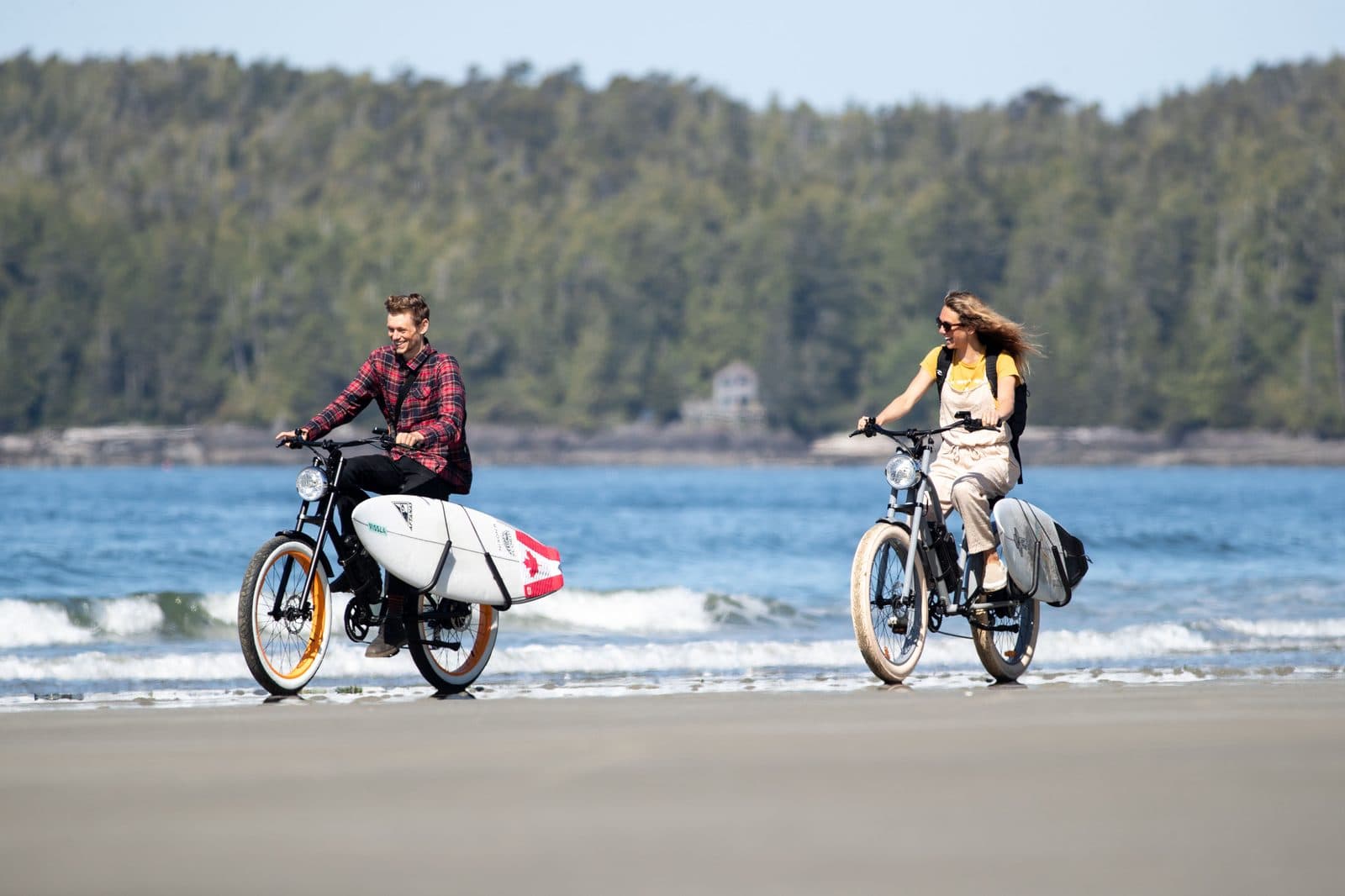
Heritage Series
The Café Racer Soul
Born in the coffee shops and back roads of 1960s Britain. The Vacay carries that spirit to every road worth riding.
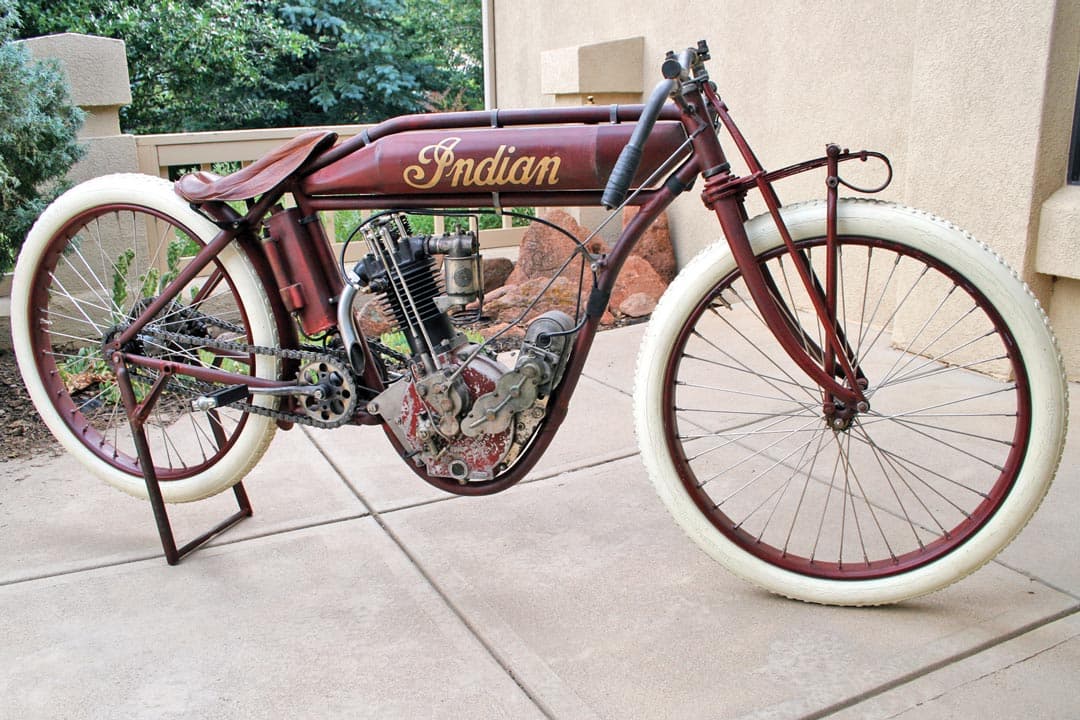
The café racer movement began in the coffee shops of 1950s and 1960s London, where a generation of young riders gathered on machines they had modified themselves — stripped and tuned for speed, but more importantly for style. These weren't professional racers. They were ordinary people who had decided that the machine they rode said something about who they were, and who chose to say something worth hearing.
The name came from the challenge that defined the culture: the ton-up run. Riders would time themselves racing between two cafés, attempting to break 100 miles per hour on the road between. It was reckless and romantic in equal measure — and it produced an aesthetic so distinctive that it has been continuously referenced by designers ever since. The low clip-on handlebars. The elongated tank. The tail unit that gave riders something to tuck behind at speed. These design elements are as recognizable today as they were sixty years ago.
British manufacturers — Norton, Triumph, BSA — inadvertently provided the raw material for this movement. Their standard road bikes were good enough to be taken seriously, light enough to be quick, and simple enough to be modified by a determined young person with a toolkit and a vision. The café racer was never a factory product. It was what happened when ordinary people decided ordinary wasn't good enough.
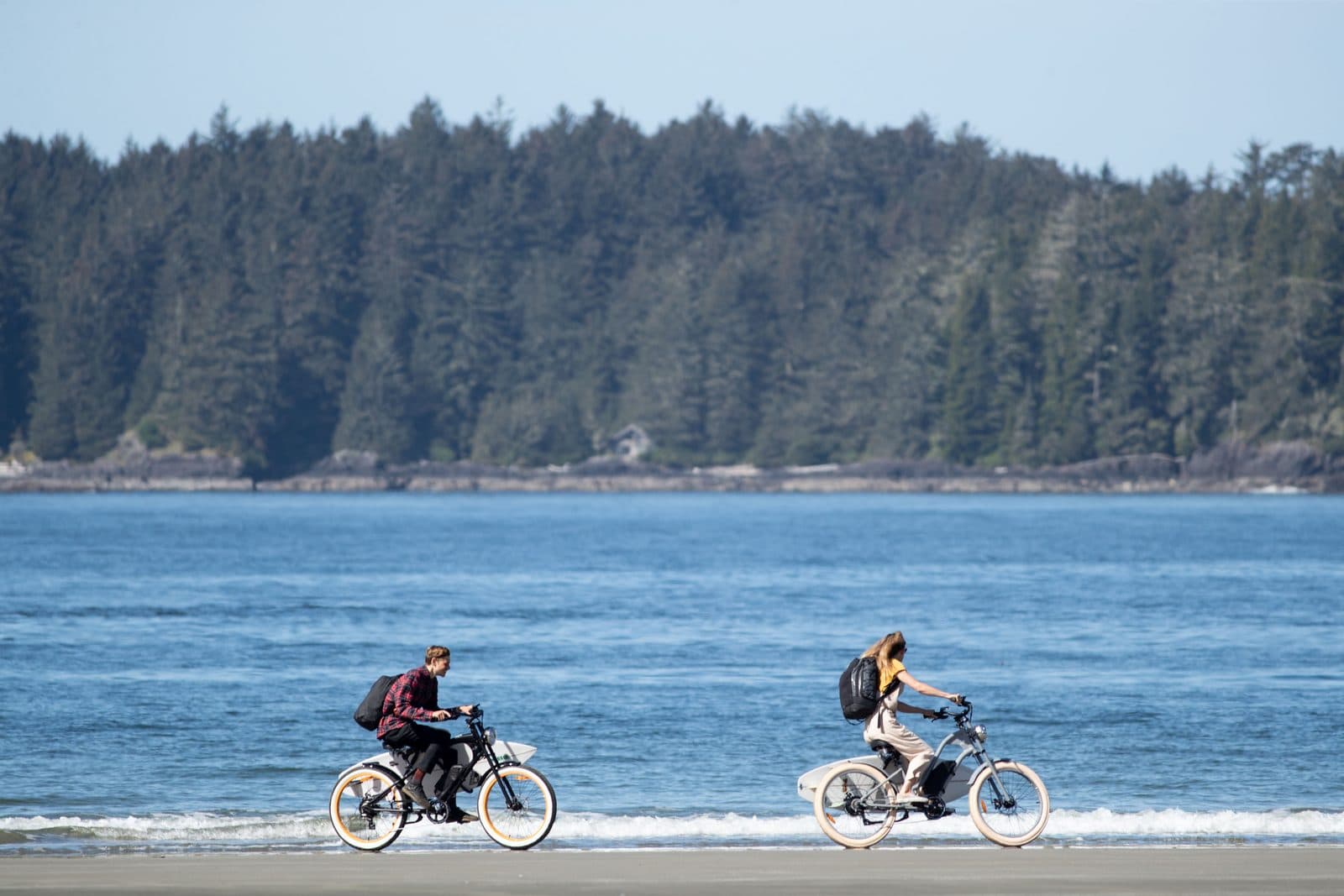
The Vacay takes this tradition and applies it to a very different context. Where the original café racers valued speed above everything, the Vacay values the experience of the ride — the quality of movement through a landscape, the pleasure of a machine that looks as good at rest as it does in motion. The step-through and step-over variants acknowledge that the café racer spirit belongs to everyone, regardless of how they prefer to mount their machine.
An espresso run on a Vacay is a different experience from the ton-up challenges of 1960s London, and deliberately so. The electric motor makes the ride effortless without making it thoughtless. The Shimano gearing provides a connection to the road that pure twist-and-go electrics can't match. The hydraulic brakes give you the confidence to ride with commitment. And the silhouette — that unmistakable café racer profile — means that wherever you park, you've already made a statement worth making.
The Café Racer Tradition
Style was never an afterthought.
The Modern Café Racer
The café can wait. The ride can't.
The Vacay. Hi-Step and Lo-Step variants available. Ships free across Canada and the US.
Explore the Vacay